Electrical safety at home is very crucial. One of the most common yet dangerous electrical issues many homeowners face is a short circuit. A short circuit can lead to electrical fires, power outages, and significant damage to electrical appliances, so it is important to understand how to avoid short circuit at home.
In this blog, we will guide you through practical and effective ways to prevent a short circuit at home. Follow these precautionary measures and reduce the risk of electrical problems that may potentially cause harm to your family or property.
Check-out: Used Coolers in India
Understanding Short Circuits

Before diving into ways to avoid a short circuit, it’s essential to understand what a short circuit is. A short circuit occurs when a fault or accidental connection allows electricity to flow along an unintended path, often resulting in excessive current flow. This surge of power can cause overheating, damage to wires, and in worst-case scenarios, fires or explosions.
Knowing how a short circuit happens can help you take the necessary precautions to avoid it. Let’s explore how to prevent a short circuit in your home.
1. Inspect Wiring Regularly
One of the main reasons for short circuits is faulty wiring. Over time, wires can wear down, get frayed, or even exposed to moisture, making them susceptible to short circuits. Regularly inspect the wiring at your home, especially in areas like the kitchen, bathrooms, and living rooms. Look out for any exposed wires, damaged insulation, or signs of wear.
If you notice any issues, call a certified electrician immediately to have the problem fixed. Don’t attempt to repair electrical wiring on your own unless you are licensed. This is a key part of learning how to avoid short circuit at home and ensuring safety.
2. Avoid Overloading Electrical Circuits
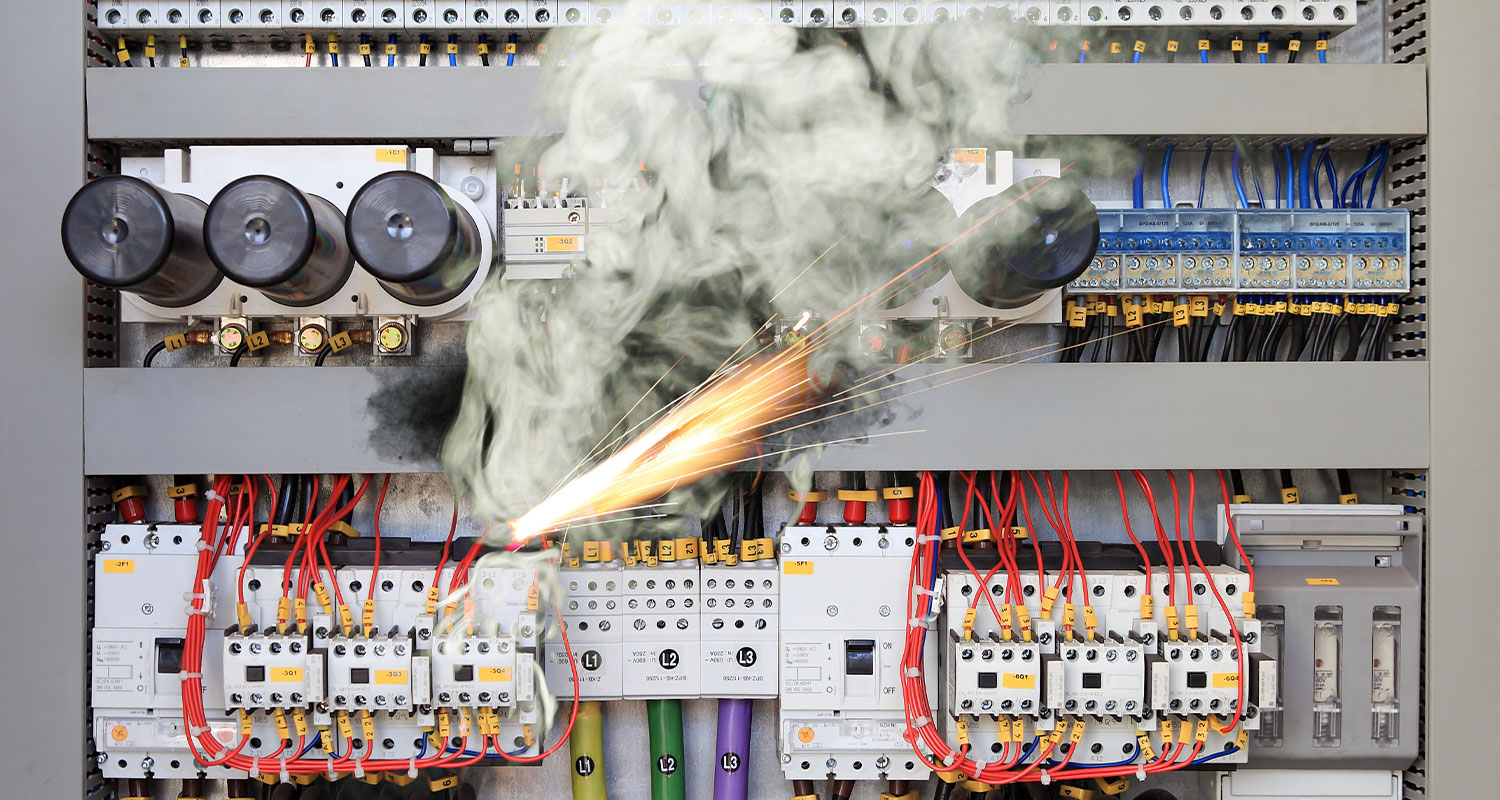
Overloading electrical circuits is another leading cause of short circuits. When you plug too many devices into a single outlet, the current flow can exceed the capacity of the circuit, increasing the risk of overheating and causing a short circuit.
To prevent this, always use a limited number of appliances on a single outlet and avoid daisy-chaining extension cords. If your home has an outdated electrical system that can’t support the power load of modern electronics, it’s a good idea to upgrade your system. This will help you in knowing how to prevent a short circuit effectively.
3. Use Quality Electrical Appliances & Accessories
The quality of electrical appliances and accessories you use also plays a significant role in preventing short circuits. Always purchase electrical items from trusted brands that meet safety standards. Low-quality or cheap appliances are more likely to malfunction, causing short circuits and fires.
Additionally, always check for certification labels like the ISI (Indian Standards Institute) mark to ensure you’re purchasing safe products. This simple step will help you avoid costly and dangerous mistakes in the future.
4. Install a Circuit Breaker or Fuse Box

A circuit breaker or fuse box is an essential component of home electrical safety. This system is designed to interrupt the flow of electricity when it detects an overload or fault in the wiring. It acts as an automatic safety shut-off to prevent short circuits.
Make sure your home is equipped with an updated circuit breaker or fuse box. Regularly check the breakers to ensure they are functioning properly. If your fuse box is outdated or frequently trips, consider upgrading it to handle higher loads safely.
5. Protect Electrical Cords from Damage
Electrical cords are prone to wear and tear, especially if they are dragged across rough surfaces or subjected to constant bending. Damaged cords increase the risk of short circuits and electrical fires. Therefore, always ensure that electrical cords are properly stored, and avoid running them under rugs or furniture where they can easily become damaged and go unnoticed.
If you notice any exposed wires or fraying in an electrical cord, stop using it immediately and replace it. This small effort can go a long way in helping you prevent a short circuit.
Check Out: Used Electronics & Appliances Items on OLX
6. Keep Water Away from Electrical Sources
Water is a dangerous conductor of electricity. Keeping water away from electrical sources is a fundamental precaution in learning how to avoid short circuit at home. Make sure to never handle electrical appliances with wet hands, and always keep water away from outlets, plugs, and electrical devices.
Also, ensure that any electrical equipment in the kitchen or bathroom has waterproof or water-resistant casing. Pay attention to bathroom outlets, and avoid using electrical items in wet areas unless they are specifically designed for such environments.
7. Hire a Professional for Complex Issues

If you face frequent electrical issues, such as lights flickering, power surges, or a consistently tripped breaker, it’s time to call in a professional. Electrical problems like these may be a sign of a deeper issue, such as a faulty wiring system or a malfunctioning circuit breaker.
Hiring a licensed electrician will give you peace of mind, knowing that the problem is diagnosed and fixed by a professional. In the long run, this can save you from potential dangers related to short circuits.
8. Educate Your Family
Sometimes, the cause of a short circuit is as simple as neglecting basic electrical safety practices. Educate your family members, especially children, on how to handle electrical devices safely. Teach them to avoid using electrical appliances near water and never to overload sockets.
In addition, encourage them to report any electrical problems immediately rather than ignoring them. The sooner problems are addressed, the lower the risk of a serious issue like a short circuit.
Check-out: Used AC in India
Conclusion: Stay Safe, Protect Your Home
By following these simple and effective ways to avoid a short circuit, you can protect your home from electrical hazards. Taking proactive steps today can help you avoid costly repairs and dangerous accidents in the future.
In addition to these practical tips, don’t forget to stay connected with reliable service providers. OLX is a great platform where you can buy and sell electrical appliances and even find trusted professionals for electrical repairs. Always prioritize safety, and make sure you know how to avoid short circuit at home.
Frequently Asked Questions
What is the most common cause of a short circuit at home?
The most common cause of a short circuit is faulty wiring, either from aging or physical damage. Other causes include overloaded circuits or poor-quality electrical appliances.
How do I know if my home wiring needs to be updated?
If you frequently experience power surges, flickering lights, or tripped breakers, it’s time to have your wiring inspected by a licensed electrician. This will ensure your home is safe and up to code.
Can using extension cords cause a short circuit?
Yes, overloading extension cords can cause a short circuit. Always ensure that extension cords are rated for the appliances you connect and avoid daisy-chaining multiple cords.
What should I do if I notice sparks from an outlet?
If you notice sparks or smell burning from an outlet, unplug any connected appliances immediately and shut off the power. Contact a certified electrician to inspect and repair the issue.
How can I protect my electrical appliances from short circuits?
Using a surge protector, inspecting appliances for defects, and ensuring proper wiring can help protect your electrical appliances from short circuits.
Also Read: