

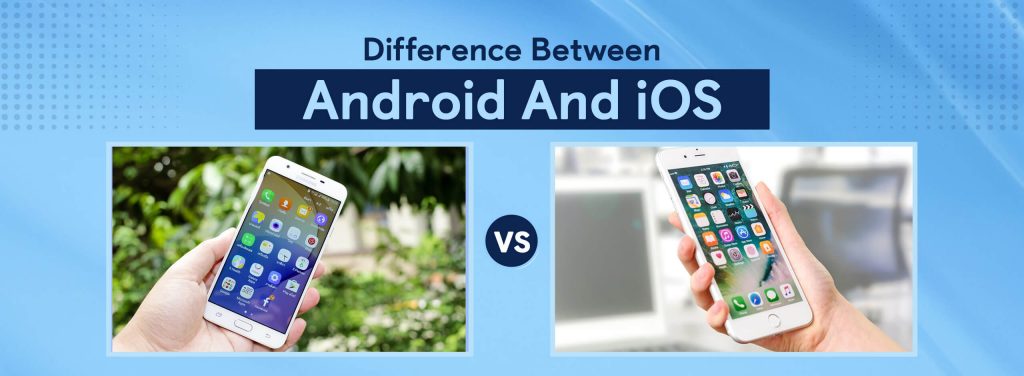


In today’s world, smartphones are practically an extension of ourselves. They connect us to loved ones, fuel our entertainment, and even help us get work done. But with so many options on the market, choosing the right phone can feel overwhelming. A major deciding factor? The operating system: Android or iOS.
Both Android and iOS are powerful and user-friendly, but they cater to different preferences. Let’s delve into the key differences between these two mobile giants to help you navigate your phone selection process and pick the perfect device for you!
Android Vs iOS
The two main mobile operating systems that run on smartphones and tablets are iOS and Android. Both systems have comparable features and are meant to carry out comparable tasks, but they differ from one another in a few important conceptual and technical ways.
The first and most obvious difference between iOS and Android is that iOS is developed and owned by Apple and is designed to provide a seamless and integrated experience across all Apple devices. Apple controls the entire ecosystem, including hardware, software, and the app store, which results in a more closed and controlled system. On the other hand, Android is developed by Google and is open-source, meaning that other companies can use and modify the operating system. This results in a more open and customizable system with a wider range of devices and price points.
Also Read: 8 Tips for Finding Affordable Second Hand Mobile Phones
Design and User Interface
The most striking difference between Android vs iOS is the design and the user interface. Android offers extensive home screen customization, icon packs, and launchers, which users can use to personalize their home screen. This flexibility is a major attraction for fans of Android, especially in India, where users enjoy customizing their devices to suit their preferences.
iOS, on the other hand, is designed to be streamlined and minimalist, with an easy-to-use and intuitive interface. Even though iOS may not offer the same level of customization as Android, its intuitive design makes it easy for new users to navigate.
Security
Smartphone data security is a top concern for users, and both Android and iOS offer different advantages and disadvantages in this area.
Android’s open-source code allows for greater flexibility and customization, but this openness also creates vulnerability. Because developers can modify the code, it becomes easier for malicious actors to exploit these modifications and introduce security threats.
On the other hand, iOS boasts a closed ecosystem, making it a tougher nut to crack for hackers. This closed system is a major strength of iOS in terms of security. However, the same closed nature that provides enhanced security also limits user customization options.
App Store Wars
The app store plays a crucial role in the mobile experience. Here’s how Android vs iOS stack up:
- Android: The Google Play Store boasts a vast app library with around 2 million apps, offering a wider user selection. This includes many localized apps popular in India, such as Paytm, Zomato, and Hotstar.
- iOS: While Apple’s App Store has a smaller collection (around 1.8 million apps), it prioritizes a more user-friendly experience. The App Store curates its offerings, aiming for a higher overall quality of apps. Apple users often get early access to new apps, giving them an edge..
- Early access for Apple users: Apple users often get the upper hand when it comes to new apps. New app releases frequently debut first on the App Store, giving iPhone users earlier access.
Also Read: How to Determine Your Phone’s Age: Quick Methods & Tips
Hardware and Performance
Android phones provide users with a larger selection of hardware and performance, from budget-friendly options to high-end devices. This variety is due to the open-source nature of Android, which allows for the production of devices by various manufacturers, including popular brands in India like Samsung, OnePlus, Xiaomi, and more.
iOS, in contrast, is exclusively designed for Apple devices, which are generally considered more premium and costly. However, these devices are known for their high performance and seamless integration with the Apple ecosystem.
Camera Capabilities
The camera has become a must-have element of modern smartphones. Android devices typically offer more camera features, such as manual mode and RAW image capture, which are loved by photography enthusiasts. Popular Android phones in India, like those from Xiaomi and OnePlus, are known for their excellent camera quality.
iOS has also made significant strides in camera technology, with features like Night mode and Deep Fusion. While iOS cameras may lack some of the advanced features of Android, many users believe the overall camera quality of iOS devices is superior.
Battery life
Battery life is a critical factor for many smartphone users. Generally, Android devices have a longer battery life due to the ability to adjust power settings and replace batteries. Brands like Samsung and Xiaomi offer models with large battery capacities, catering to the needs of Indian consumers who often use their phones extensively.
iOS devices, while not as battery-efficient as some Android models, have introduced features like Low Power Mode and optimized performance to extend battery life.
The Verdict: Which One is the Perfect Fit for You?
So, which operating system is king? The answer depends on your preferences and needs. If customization, affordability, and a wide range of device options are what you seek, Android could be the best choice for you. If you prioritize security, ease of use, and a premium experience, then iOS is the better option.
The Future of Smartphones
Looking ahead, it is clear that both Android and iOS will continue to evolve and improve. With advancements in 5G, artificial intelligence, and augmented reality, the possibilities are endless. The ongoing rivalry between Android vs iOS will drive innovation, pushing the boundaries of what smartphones can achieve.
Conclusion
Therefore, the last choice to make between Android vs iOS is not only the operating system, it is the ecosystem, the community, and the experience. Before you are a person of Android or iOS, you should know that the world of smartphones has now evolved a lot and the good stuff is yet to be released.
Frequently Asked Questions
What is the main difference between Android vs iOS?
The main difference between Android vs iOS is that Android is a free-to-use operating system designed by Google, whereas iOS is a closed-source operating system designed by Apple.
Which operating system is more customizable – Android or IOS?
Android is more adaptable than iOS. Users can change the home screen layout, install the custom launchers, and adjust the system settings to their preferences.
Which operating system has the bigger app store?
Google Play Store has more apps than the Apple App Store. On the contrary, the Apple App Store has a more limited number of apps.
Which of the two operating systems is more secure?
iOS is mostly regarded as more secure than Android. The reason for this is that Apple has more control over the hardware and software, and it has app review policies that are stricter.
Is iOS more efficient in terms of performance?
iOS devices are usually faster than the Android devices. This is because Apple is the one that designs both the hardware and the software, thus, making it easier for the two to be optimised.


